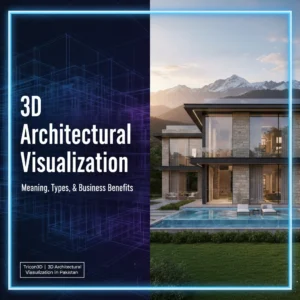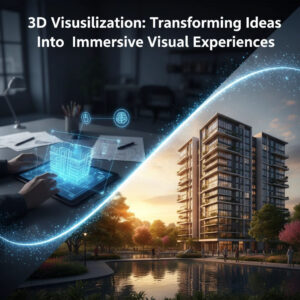
In today’s competitive real estate and construction landscape, presenting your architectural designs in the most compelling way possible isn’t just an advantage—it’s a necessity. Architectural visualization services have revolutionized how architects, developers, and designers communicate their vision to clients, investors, and stakeholders. Gone are the days when simple blueprints and hand-drawn sketches were enough to convey the full potential of a project. Modern architectural visualization services transform abstract concepts into photorealistic images and immersive experiences that anyone can understand and appreciate.
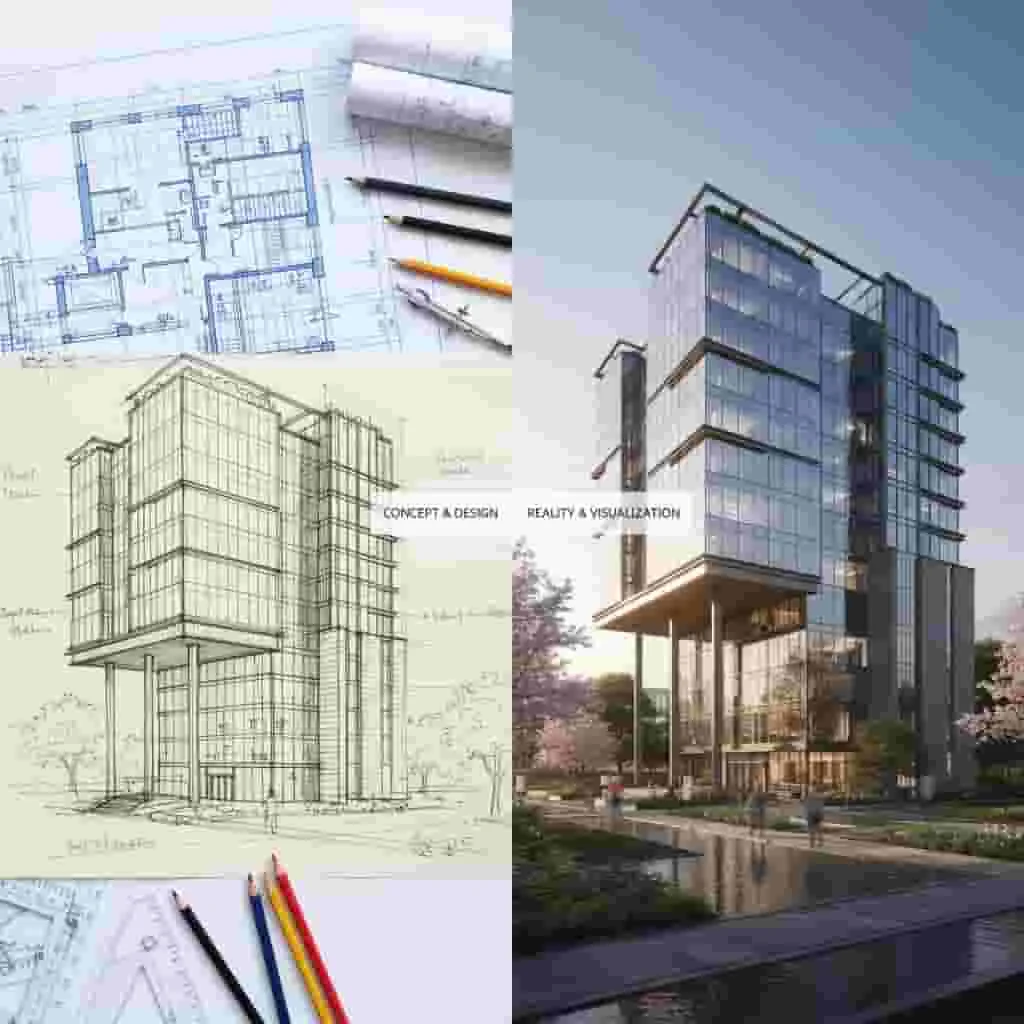
Whether you’re an architect looking to win that next big pitch, a real estate developer seeking pre-sales for an upcoming project, or a construction company wanting to showcase your capabilities, architectural visualization services provide the visual storytelling tools you need to succeed. These services bridge the gap between technical drawings and the finished product, allowing everyone involved to see exactly what the completed project will look like before a single brick is laid.
What Are Architectural Visualization Services?
Architectural visualization services encompass a comprehensive range of digital techniques used to create realistic representations of buildings and spaces that don’t yet exist in the physical world. A 3d architectural visualization company employs talented artists, architects, and technology specialists who work together to produce stunning visual content that communicates design intent with crystal clarity.
These services go far beyond simple computer-generated images. When you partner with a professional 3d architectural visualisation agency, you’re accessing a suite of sophisticated tools and techniques including photorealistic rendering, virtual reality experiences, animated walkthroughs, and interactive presentations. The goal is always the same: to help viewers fully understand and emotionally connect with a design before construction begins.
The process typically involves taking architectural drawings, CAD files, or even rough sketches and transforming them into detailed three-dimensional models. These models are then enhanced with realistic materials, accurate lighting, landscaping, furniture, and human figures to create scenes that look indistinguishable from photographs of real buildings.
Types of Architectural Visualization Services
Exterior Rendering Services
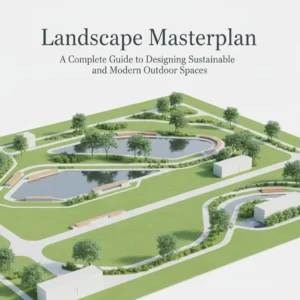
3d architectural exterior rendering services focus on showcasing the outside of buildings in their environmental context. These renderings capture how a structure interacts with its surroundings, including neighboring buildings, streets, landscaping, and sky conditions. Exterior visualizations are crucial for urban planning approvals, marketing materials, and helping stakeholders understand how a project will look from street level or aerial perspectives.
Quality exterior renderings include realistic shadows that change throughout the day, accurate material textures from brick and concrete to glass and metal, weather conditions that show the building in different seasons, and contextual elements like vehicles, pedestrians, and street furniture that bring the scene to life.
Interior Rendering Services
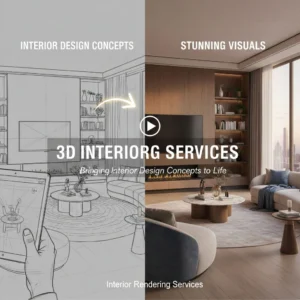
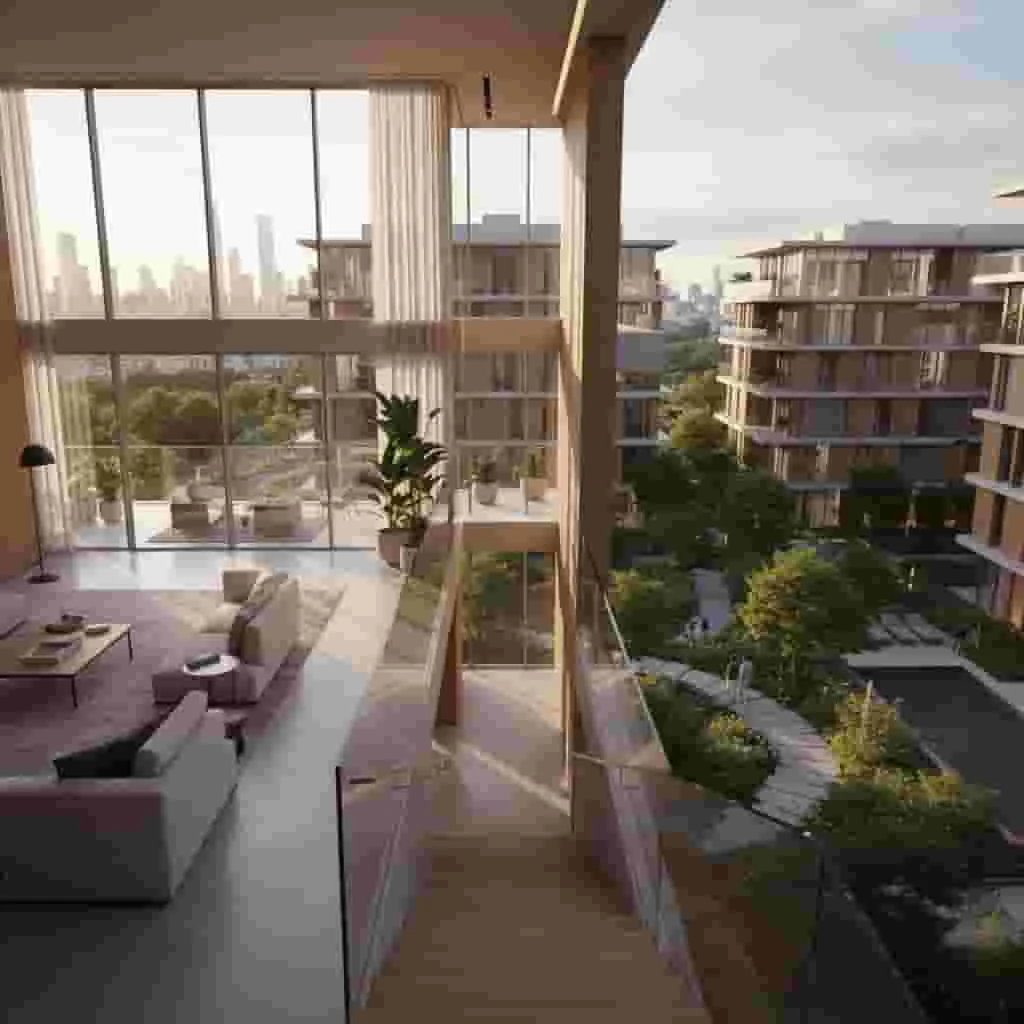
When you need to showcase the inside of spaces, 3d architectural interior rendering services become essential. These visualizations help clients understand spatial relationships, material choices, lighting design, and the overall atmosphere of interior environments. Interior renderings are particularly valuable for residential projects, hospitality design, retail spaces, and corporate environments.
A professional interior visualization captures the play of natural and artificial light, displays furniture arrangements and spatial flow, showcases material finishes with accurate colors and textures, and creates mood and atmosphere that helps clients emotionally connect with the space.
Architectural Walkthrough Services
3d architectural walkthrough services take visualization to the next level by creating animated tours through buildings and developments. These video presentations guide viewers through spaces as if they were physically walking through them, providing a sense of scale, proportion, and spatial relationships that static images cannot fully convey.
Walkthroughs are incredibly effective for large-scale developments, allowing potential buyers or investors to explore entire neighborhoods, understand the layout of complex buildings, experience the flow from public to private spaces, and see how different areas of a project connect and relate to each other.
Benefits of Professional Architectural Visualization
Enhanced Communication and Understanding
The primary advantage of working with architectural visualization firms is the dramatic improvement in communication between all project stakeholders. Architectural drawings and technical plans are difficult for non-professionals to interpret. High-quality visualizations eliminate this communication barrier entirely, ensuring that clients, investors, contractors, and regulatory bodies all share the same vision for a project.
When everyone can see exactly what you’re proposing, misunderstandings decrease, approval processes accelerate, and confidence in the project increases. This clarity is particularly valuable when working with international clients or when presenting to community groups during planning processes.
Accelerated Decision-Making
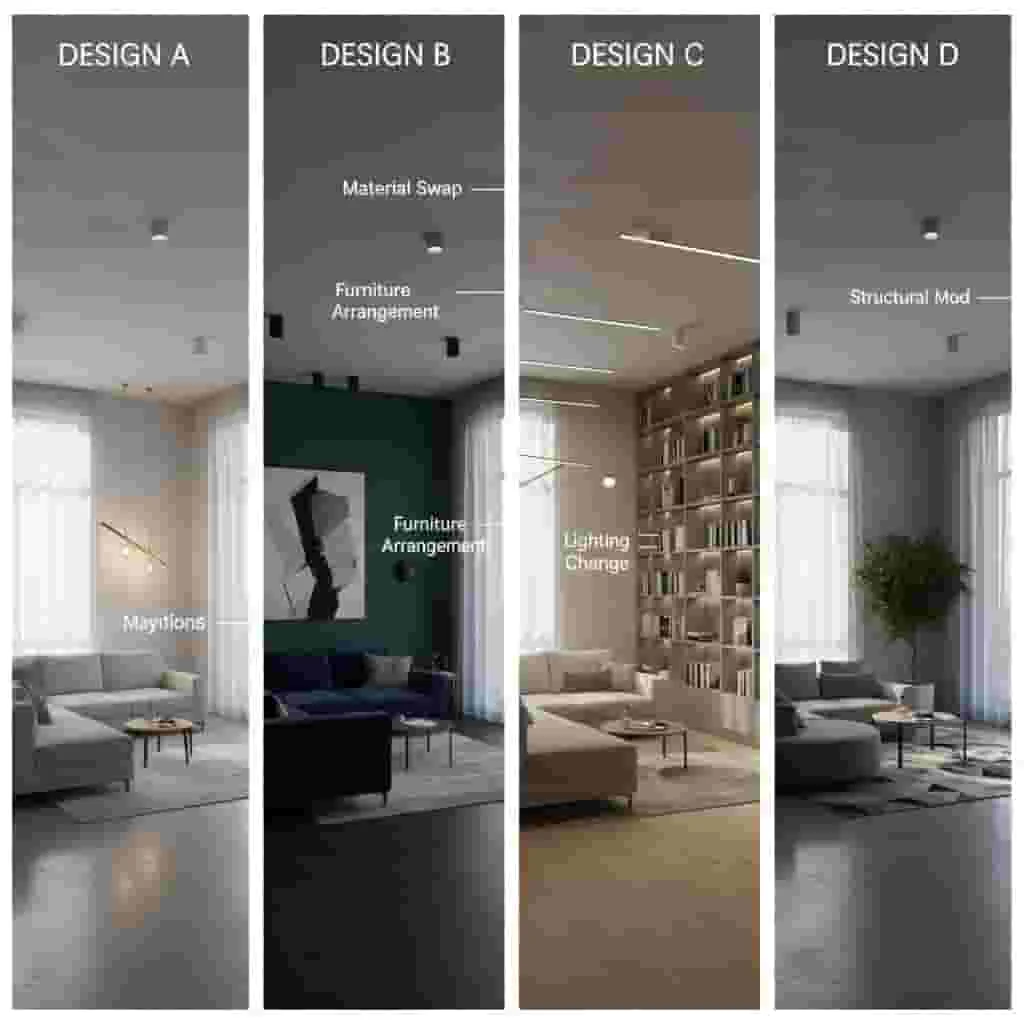
3d architectural visualization services significantly speed up the decision-making process. When clients can see realistic representations of different design options—whether comparing material choices, layout alternatives, or color schemes—they can make informed decisions quickly and confidently. This reduces the number of revision cycles and keeps projects moving forward on schedule.
Visualization also helps identify potential design issues early in the process when changes are still relatively inexpensive to implement. Spotting a problematic sight line, an awkward spatial relationship, or a material mismatch in the visualization phase is far preferable to discovering these issues during construction.
Powerful Marketing Tool
For developers and real estate professionals, visualizations created by a 3d architectural visualisation services provider are invaluable marketing assets. High-quality renderings and animations can be used across multiple platforms including websites, brochures, billboards, social media, virtual reality experiences, and sales centers.
Professional visualizations help generate pre-sales before construction begins, justify premium pricing for high-end projects, differentiate your development from competitors, and create emotional connections with potential buyers who can envision themselves living or working in the space.
Cost-Effective Design Exploration
Exploring design alternatives through architectural 3d visualization and rendering company services is dramatically more cost-effective than building physical models or making changes during construction. Digital models can be modified quickly to test different scenarios, compare options side by side, incorporate feedback from multiple stakeholders, and refine designs until they’re perfect.
This flexibility encourages innovation and experimentation during the design phase when creativity should flourish, without the fear of expensive mistakes.
Choosing the Right Architectural Visualization Partner
Experience and Portfolio Quality
When evaluating 3d architectural visualization companies, their portfolio should be your first consideration. Look for diversity in project types, consistency in quality across different projects, photorealistic rendering that’s indistinguishable from photography, attention to detail in materials, lighting, and context, and styles that match your project’s aesthetic requirements.
Don’t hesitate to ask for case studies or references from previous clients. A reputable 3d architectural visualization render services provider will be proud to share their success stories and put you in touch with satisfied customers.
Technical Capabilities
Modern architectural visualization requires sophisticated software and technical expertise. Ensure your chosen partner has capabilities in industry-standard 3D modeling software, advanced rendering engines for photorealistic results, animation and walkthrough creation, virtual reality and interactive presentation options, and post-production and image enhancement skills.
Ask about their workflow, turnaround times, and revision policies. Understanding how they work will help ensure smooth collaboration throughout your project.
Understanding of Architecture and Design
The best architectural visualization firms employ professionals who understand architectural principles, not just 3D artists who happen to work with buildings. Look for teams that can read and interpret architectural drawings accurately, understand construction methods and materials, appreciate design intent and aesthetic considerations, and provide valuable feedback on spatial relationships and proportions.
This architectural knowledge ensures that visualizations aren’t just pretty pictures—they’re accurate representations that can be relied upon throughout the design and construction process.
Communication and Collaboration
Successful visualization projects require clear communication and collaborative working relationships. Your chosen 3d architectural visualisation agency should demonstrate responsive communication and reasonable turnaround times, clear processes for feedback and revisions, flexibility to accommodate project changes, and willingness to understand your specific needs and goals.
The best partnerships feel collaborative rather than transactional, with the visualization team acting as an extension of your own design team.
The Architectural Visualization Process
Initial Consultation and Briefing
Every successful visualization project begins with a thorough understanding of your needs. During initial discussions with 3d architectural visualization services providers, you’ll share your project drawings and specifications, discuss the intended audience and use cases for the visualizations, identify key features that should be highlighted, establish budget and timeline parameters, and agree on the number and types of views or animations needed.
This briefing phase sets the foundation for everything that follows, so invest time in communicating your vision clearly.
3D Modeling and Scene Building
The technical work begins with creating accurate three-dimensional models based on your architectural drawings. Skilled modelers construct every element of the building, surrounding landscape, interior furnishings, and contextual features. This phase requires meticulous attention to proportions, dimensions, and architectural details.
For complex projects, modeling can take several days or even weeks, but this investment in accuracy pays dividends in the realism of the final results.
Material Application and Lighting
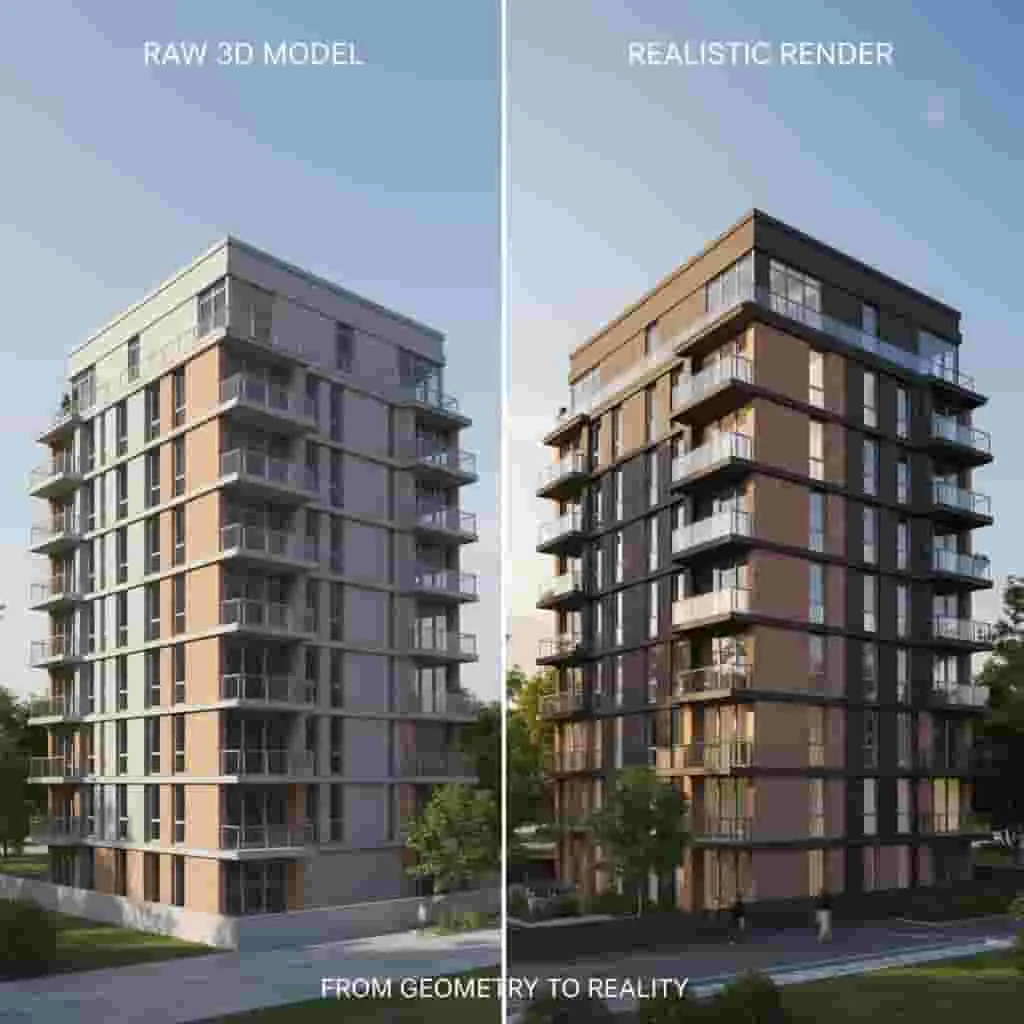
Once the geometry is complete, artists apply realistic materials and textures to every surface. This includes selecting appropriate brick, stone, wood, metal, glass, and other materials, adjusting surface properties like reflectivity and roughness, incorporating weathering and natural variation, and ensuring colors match specifications or reference images.
Lighting is equally critical to photorealism. Artists carefully position sun angles appropriate to location and time of day, balance artificial lighting for interior scenes, simulate natural lighting effects like sky illumination and ambient light, and create shadows and reflections that ground the building in reality.
Rendering and Post-Production
The rendering process transforms 3D models into final images or animations. Modern rendering engines trace millions of light rays to create photorealistic results, but this computational intensity means rendering can take hours or even days for complex scenes or animations.
After initial renders are complete, artists enhance images through post-production, adjusting color balance and atmosphere, adding subtle details like atmospheric effects, compositing multiple render passes for optimal quality, and ensuring consistency across multiple views.
Review and Revision
Professional architectural 3d visualization services include structured review and revision processes. You’ll typically receive initial renderings for feedback, request adjustments to cameras angles, materials, or lighting, see revised versions incorporating your feedback, and approve final deliverables once everything meets your standards.
Most providers include a specific number of revision rounds in their pricing, so understanding these terms upfront prevents misunderstandings later.
Applications Across the Architecture Industry
Residential Development
From single-family homes to large-scale residential communities, 3d architectural visualization render services help developers and homebuilders sell homes before they’re built, showcase customization options to potential buyers, obtain planning permissions from local authorities, and coordinate with contractors and trades.
High-quality visualizations can increase pre-sales rates significantly, improving project financing and reducing market risk.
Commercial and Office Projects
Corporate clients and commercial developers use architectural visualization to attract anchor tenants before construction, demonstrate layout flexibility and customization options, support lease negotiations with realistic space representations, and market properties to potential investors or buyers.
For office buildings, interior visualizations showing different workplace configurations are particularly valuable in today’s evolving work environment.
Hospitality and Retail
Hotels, restaurants, and retail spaces rely heavily on atmosphere and experience. 3d architectural interior rendering services allow hospitality designers to perfect ambiance before opening day, test different design schemes and branding applications, secure financing by demonstrating the vision convincingly, and create marketing materials that attract guests and customers.
In competitive hospitality markets, stunning visualizations can be the difference between securing funding or not.
Urban Planning and Public Projects
Government agencies and urban planners use visualization to communicate proposed developments to community members, demonstrate the impact of large infrastructure projects, explore multiple scenarios for city development, and build public support for important initiatives.
When public money is involved, the ability to show taxpayers exactly what they’re getting is invaluable for transparency and accountability.
Future Trends in Architectural Visualization
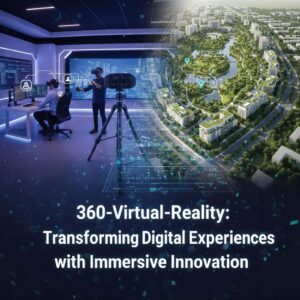
The field of architectural visualization continues to evolve rapidly with technological advancement. Virtual and augmented reality are becoming more accessible, allowing clients to “walk through” buildings using VR headsets or visualize projects in real-world contexts through AR applications on tablets and smartphones.
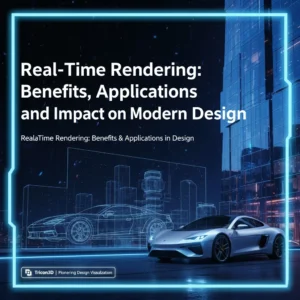
Real-time rendering technology is eliminating the wait times traditionally associated with creating high-quality visualizations, enabling instant design modifications during client meetings. Artificial intelligence is beginning to automate certain aspects of the visualization process, though human creativity and architectural understanding remain irreplaceable.
Cloud-based collaboration tools are making it easier for design teams, clients, and visualization specialists to work together regardless of geographic location. This democratization of technology means that even smaller architecture firms can access world-class 3d architectural visualisation services without massive capital investment.
Conclusion
Architectural visualization services have become an indispensable tool for anyone involved in the design, development, or marketing of buildings and spaces. Whether you’re working with a dedicated 3d architectural visualization company for a major development or exploring options among various architectural visualization firms for a smaller project, the investment in professional visualization consistently proves its worth through improved communication, faster approvals, enhanced marketing, and better design outcomes.
As technology continues to advance and client expectations rise, the quality and capabilities of architectural visualization will only improve. Those who embrace these tools and partner with skilled visualization professionals position themselves for success in an increasingly competitive marketplace. The ability to show rather than tell, to create emotional connections before ground is broken, and to perfect designs in the digital realm before committing to physical construction—these advantages make architectural visualization services not just valuable, but essential for modern architectural practice.
Whether you need 3d architectural walkthrough services for an immersive client experience, detailed interior and exterior renderings for marketing materials, or comprehensive visualization support throughout your design process, investing in professional architectural visualization services ensures your projects are presented in the most compelling light possible, turning vision into reality one pixel at a time.