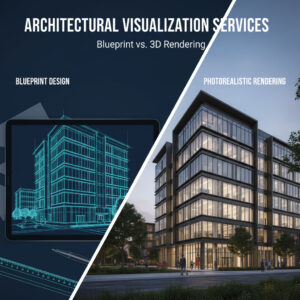
Real-Time Rendering has revolutionized the way architects, designers, and developers visualize projects. Unlike traditional rendering methods that require hours or even days to process images, real-time rendering allows instant visualization and interaction with 3D models.
In modern architecture and design workflows, speed, clarity, and collaboration are critical. Real-time rendering enables professionals to view changes immediately, experiment freely, and present designs more effectively to clients and stakeholders. This technology has become an essential part of contemporary design, architecture, and visualization services.
What Is Real-Time Rendering?
Real-Time Rendering is the process of generating images or animations instantly while a user interacts with a 3D environment. It relies on powerful graphics processing units (GPUs) and advanced rendering engines to produce smooth, high-quality visuals at high frame rates.
Designers can adjust lighting, materials, textures, camera angles, and environments and see the results immediately. This real-time feedback eliminates waiting time and allows faster design decisions, making the entire workflow more efficient and interactive.
Key Benefits of Real-Time Rendering in Architecture and Design
Faster Design Process and Higher Efficiency
One of the biggest advantages of real-time rendering is the speed it brings to design workflows. Instead of waiting for static renders, teams can instantly preview changes and test multiple design options in minutes.
This accelerated process improves productivity, shortens project timelines, and allows designers to finalize concepts more quickly and confidently.
Enhanced Visual Realism
Modern real-time rendering engines deliver impressive realism with accurate lighting, reflections, shadows, and materials. These lifelike visuals help clients understand designs clearly, even if they have no technical background.
Improved realism builds trust, reduces confusion, and ensures everyone involved shares the same vision of the project.
Improved Client Collaboration and Communication
Real-time rendering transforms presentations into interactive experiences. Clients can explore spaces virtually, request changes on the spot, and provide immediate feedback.
This collaborative approach reduces misunderstandings, minimizes revisions later, and leads to higher client satisfaction. Companies offering the best rendering services in Pakistan increasingly rely on real-time rendering to deliver engaging and transparent presentations.
Creative Freedom Through Real-Time Rendering
Unlimited Design Experimentation
Traditional rendering often limits creativity due to time and cost constraints. Real-time rendering removes these barriers by allowing designers to experiment freely without risk.
Architects and designers can test different layouts, colors, lighting scenarios, and materials instantly, leading to more innovative and refined design solutions.
Integration with Virtual Reality (VR) and Augmented Reality (AR)
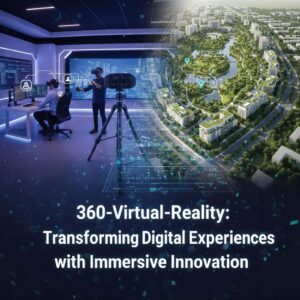
Real-time rendering plays a vital role in VR and AR experiences. These technologies allow users to explore designs at full scale and interact with spaces before construction begins.
In architecture, VR walkthroughs powered by real-time rendering help validate designs, improve emotional engagement, and support better decision-making.
Cost Efficiency and Risk Reduction
Early Detection of Design Issues
By visualizing projects in detail at an early stage, real-time rendering helps identify potential design flaws before construction starts. Detecting issues early prevents costly changes during later phases.
This proactive approach reduces risks, delays, and budget overruns, making real-time rendering a valuable investment.
Long-Term Return on Investment
Although real-time rendering tools require an initial investment, they deliver long-term benefits. Faster approvals, reduced revisions, and improved client satisfaction result in better project outcomes and higher profitability.
Competitive Advantage in a Digital Industry
In today’s competitive design and architecture market, companies that adopt real-time rendering stand out as innovative and forward-thinking. Interactive and immersive presentations help attract clients and win projects more effectively than static visuals.
As digital technologies continue to evolve, real-time rendering is becoming a standard rather than an option. Early adoption ensures long-term competitiveness and readiness for future workflows.
Applications of Real-Time Rendering Across Industries
Architecture and Interior Design
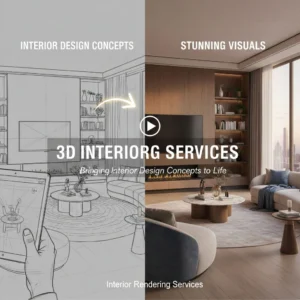
Architects and interior designers use real-time rendering to create interactive walkthroughs, visualize materials, and present designs dynamically to clients.
Real Estate and Urban Planning
Real estate developers and urban planners rely on real-time rendering to showcase large-scale developments, simulate environments, and communicate project vision clearly.
Product Design and Manufacturing
Product designers use real-time rendering to test materials, shapes, and functionality before physical production, reducing development costs and time.
Gaming, VR, and Entertainment
The gaming and entertainment industries depend heavily on real-time rendering to create immersive environments, realistic characters, and interactive experiences.
Conclusion
Real-Time Rendering has become a game-changing technology in architecture, design, and visualization. By offering instant feedback, realistic visuals, and enhanced collaboration, it significantly improves efficiency, creativity, and project outcomes.
From reducing risks and costs to strengthening client relationships and gaining a competitive edge, the benefits of real-time rendering are undeniable. For professionals aiming to deliver high-quality visuals and modern presentations, real-time rendering is no longer optional—it is essential.
Frequently Asked Questions (FAQs)
Which industries benefit most from real-time rendering?
Real-time rendering is widely used in architecture, interior design, real estate, product design, gaming, education, and manufacturing—any field that requires fast and realistic visualization.
Is real-time rendering hardware intensive?
Real-time rendering performs best with strong GPUs and sufficient RAM, but modern software optimization and cloud solutions have made it accessible even on mid-range systems.
How does real-time rendering improve collaboration?
It allows teams and clients to view and modify designs simultaneously, improving communication, reducing misunderstandings, and speeding up approvals.
Can real-time rendering reduce project risks?
Yes. By identifying design conflicts early, real-time rendering minimizes costly changes during construction and improves budget control.
What makes real-time rendering better than traditional rendering?
Speed and interactivity. Real-time rendering provides instant visual feedback, while traditional rendering can take hours or days.