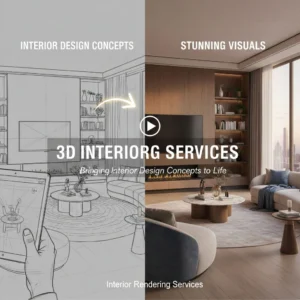
In the dynamic world of interior design and architecture, the ability to visualize spaces before they physically exist has become a game-changer. 3D interior rendering has revolutionized how designers, architects, and property developers communicate their creative visions to clients, investors, and stakeholders. Whether you’re designing a cozy residential living room, a luxurious hotel suite, a modern corporate office, or an inviting restaurant space, 3D interior rendering transforms abstract concepts into tangible, photorealistic images that everyone can understand and appreciate.
The power of 3D interior rendering lies in its ability to eliminate uncertainty from the design process. Gone are the days when clients had to rely solely on imagination to understand how their finished spaces would look. Today’s advanced rendering technology allows you to see every detail—from the texture of fabrics and the grain of wood flooring to the play of natural light across surfaces and the ambiance created by carefully selected lighting fixtures. This visual clarity not only helps clients make confident decisions but also reduces costly mistakes and revisions during the construction and installation phases.
What is 3D Interior Rendering?
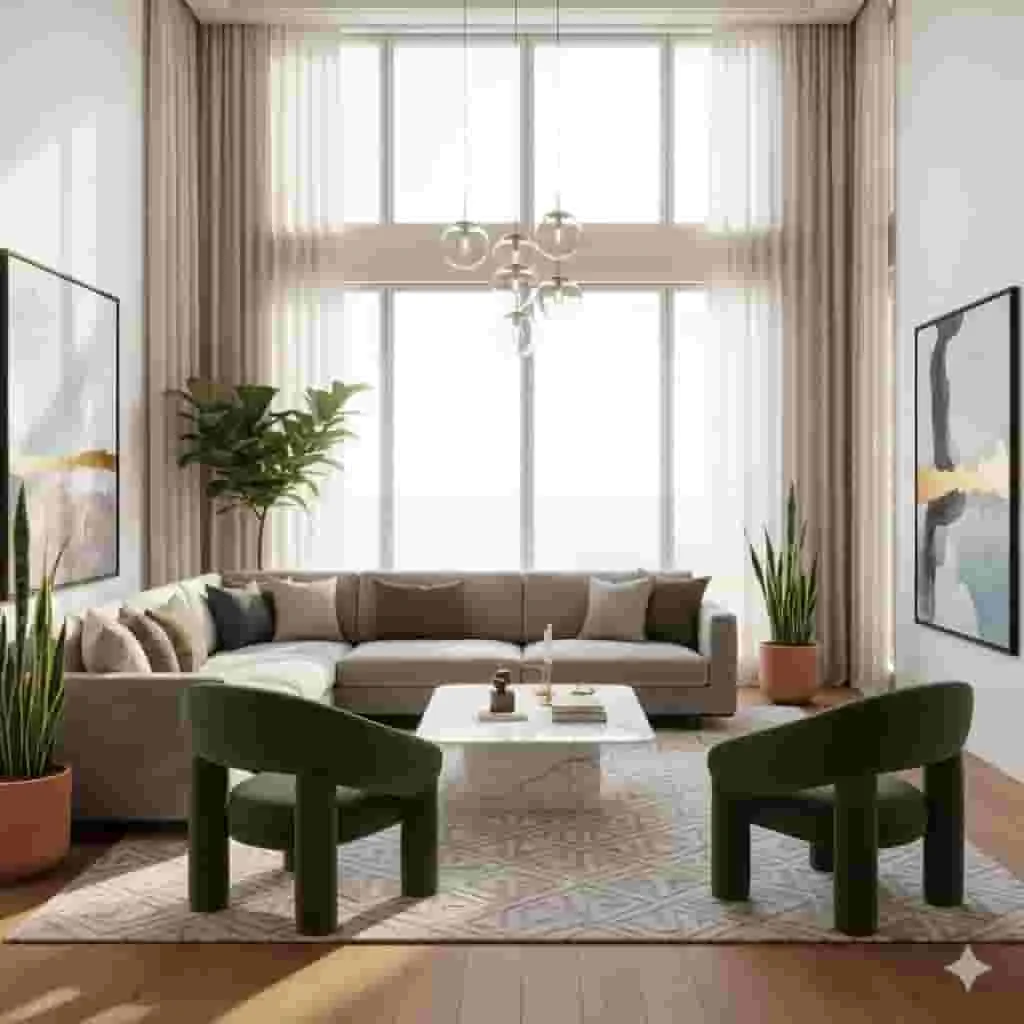
3D interior rendering is the sophisticated process of creating photorealistic digital images of interior spaces using specialized computer software and advanced rendering techniques. When you partner with a professional 3d architectural visualization company, you gain access to talented artists and technical specialists who transform architectural plans, mood boards, and design concepts into stunning visual representations that look virtually identical to professional photography.
The process involves much more than simply creating computer-generated images. Expert rendering artists meticulously model every element within a space—from structural components like walls, floors, and ceilings to decorative elements such as furniture, artwork, textiles, and accessories. They then apply realistic materials and textures, configure lighting to create the desired mood and atmosphere, and use powerful rendering engines to calculate how light interacts with every surface in the scene.
What makes 3D interior rendering particularly valuable is its ability to show spaces from multiple angles and perspectives, demonstrate different design options and material choices, illustrate how natural light changes throughout the day, and create emotional connections between viewers and spaces that don’t yet exist physically.
Types of 3D Interior Rendering Services
Residential Interior Rendering
Residential spaces require a special touch that balances aesthetic appeal with functional comfort. 3d architectural interior rendering services for homes focus on creating warm, inviting atmospheres that help potential buyers or homeowners envision themselves living in the space. These renderings showcase living rooms, bedrooms, kitchens, bathrooms, and outdoor living areas with careful attention to lifestyle elements that make houses feel like homes.
Professional residential renderings include realistic furniture arrangements that demonstrate optimal space utilization, carefully curated decor and accessories that reflect target demographics, lighting scenarios showing both day and night ambiance, and material selections that align with current design trends and client preferences.
Commercial Interior Rendering
Commercial spaces serve specific business purposes, and 3D interior rendering helps communicate how these environments support their intended functions. Whether designing corporate offices, retail stores, restaurants, or healthcare facilities, commercial renderings must balance brand identity, functionality, customer experience, and operational efficiency.
A skilled 3d architectural visualisation services provider creates commercial renderings that showcase brand aesthetics and corporate identity, demonstrate traffic flow and customer journey, illustrate flexible space configurations, and highlight features that differentiate the business from competitors.
Hospitality Interior Rendering
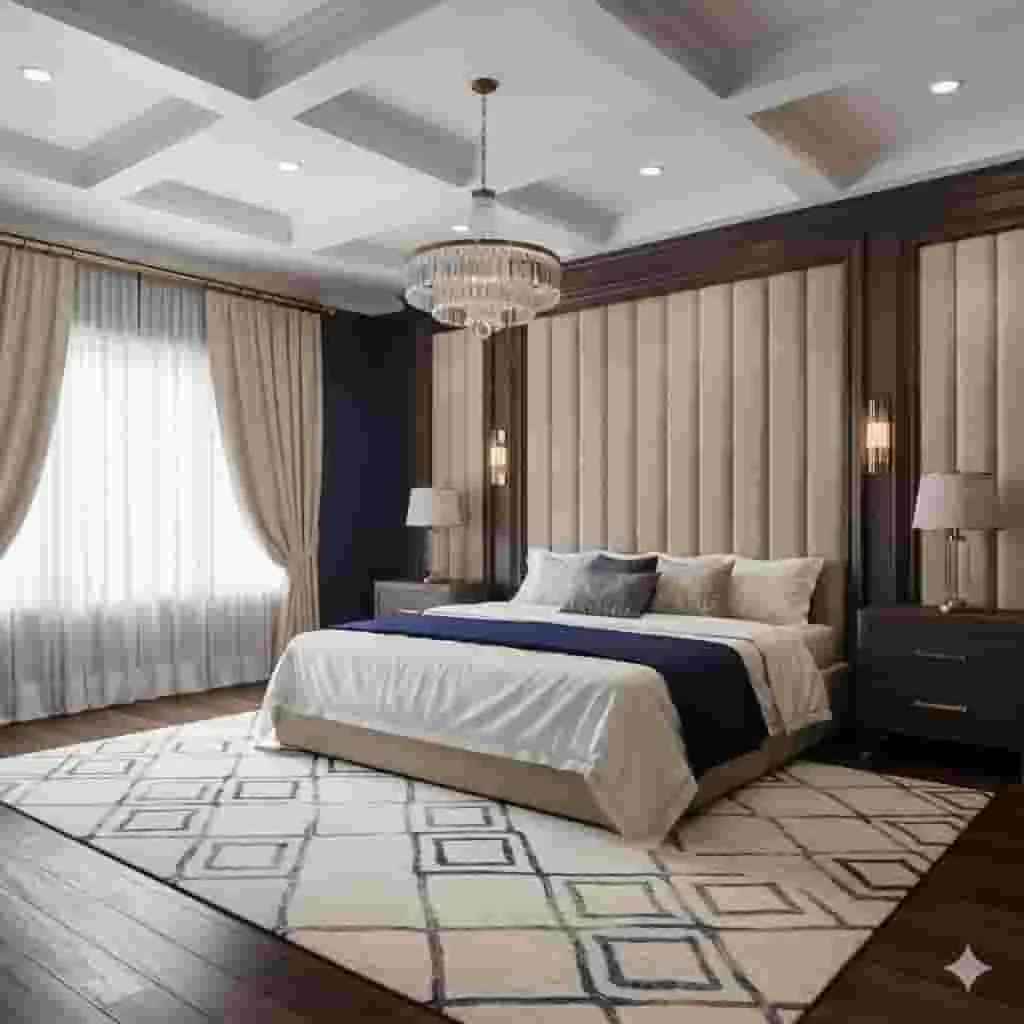
Hotels, resorts, restaurants, and entertainment venues depend heavily on creating memorable guest experiences. 3D interior rendering for hospitality projects captures the luxury, comfort, and unique character that attracts guests and justifies premium pricing. These renderings are essential for securing financing, attracting franchise partners, and marketing properties before they open.
Hospitality renderings excel at conveying ambiance and emotional appeal, showcasing signature design elements and focal points, demonstrating consistency across multiple room types or venues, and illustrating how spaces transition from day to night operations.
Office and Workplace Rendering
Modern workplace design has evolved dramatically, with companies recognizing that physical environments significantly impact productivity, collaboration, and employee satisfaction. 3d architectural visualization services for offices help organizations visualize how new workplace strategies will function in practice, from open-plan collaborative spaces to private focus areas and everything in between.
Office renderings effectively communicate workplace culture and values, demonstrate flexibility for future reconfiguration, showcase technology integration and smart building features, and illustrate how design supports both collaboration and concentration.

Benefits of Professional 3D Interior Rendering
Enhanced Client Communication and Approval
The most immediate benefit of 3D interior rendering is dramatically improved communication between designers and clients. Interior design plans, elevations, and technical drawings require professional expertise to interpret correctly, creating potential for misunderstandings and disappointment. Photorealistic renderings eliminate this communication barrier entirely, ensuring that everyone involved shares the same vision from the project’s beginning.
When clients can see exactly what their finished spaces will look like, they approve designs with confidence, provide more meaningful feedback during review processes, make decisions more quickly, and develop trust in the design team’s capabilities.
Cost-Effective Design Exploration
Exploring different design directions through a 3d architectural visualisation agency is significantly more affordable than building physical mock-ups or making changes during construction. Digital interior models can be modified quickly to test various furniture layouts and traffic patterns, compare different material and color schemes, evaluate multiple lighting scenarios, and incorporate stakeholder feedback iteratively.
This flexibility encourages creative experimentation during the design phase when innovation should flourish, without the financial constraints associated with physical prototyping or construction modifications.
Powerful Marketing and Sales Tool
For real estate developers, hospitality operators, and commercial landlords, renderings created by architectural visualization firms serve as invaluable marketing assets that drive sales and leasing success. High-quality interior renderings can be deployed across numerous marketing channels including property websites and listing platforms, printed brochures and sales materials, social media campaigns and digital advertising, virtual reality tours and interactive presentations, and sales centers and model unit displays.
Professional 3D interior rendering helps generate pre-sales before construction completion, command premium pricing for luxury properties, differentiate properties in competitive markets, and create emotional connections with prospective buyers or tenants who envision themselves in the spaces.
Reduced Risk and Better Decision Making
One often-overlooked advantage of 3D interior rendering is risk mitigation through early problem identification. Visualization reveals design issues before construction begins, including furniture that doesn’t fit properly or blocks circulation, material combinations that clash visually, lighting that creates unwanted shadows or glare, and spatial proportions that feel uncomfortable.
Addressing these concerns digitally is exponentially cheaper and faster than discovering them during installation when changes become expensive, time-consuming, and disruptive.
Streamlined Project Coordination
3d architectural visualization render services facilitate better coordination among all project stakeholders. Contractors and trades can see exactly what’s expected in the finished space, suppliers can provide accurate quotes based on clear specifications, furniture vendors can coordinate deliveries and installations efficiently, and project managers can identify potential conflicts before they occur on site.
This coordination reduces confusion, minimizes errors, keeps projects on schedule, and ultimately saves money throughout the construction and installation process.
The 3D Interior Rendering Process
Initial Consultation and Design Brief
Every successful 3D interior rendering project begins with thorough understanding of your vision and objectives. During initial discussions with your chosen 3d architectural visualization company, you’ll share floor plans, elevations, and architectural drawings, discuss design intent, style preferences, and target audience, provide reference images or mood boards for inspiration, identify key features and focal points to emphasize, and establish budget parameters and project timelines.
Comprehensive briefing ensures that rendering artists understand not just what you want to see, but why—the emotional response you’re trying to evoke and the story you’re trying to tell through the space.
3D Modeling and Space Construction
Once the brief is clear, technical work begins with creating accurate three-dimensional models of the interior space. Skilled modelers construct the architectural envelope including walls, floors, ceilings, and windows, add architectural details like moldings, built-ins, and millwork, model furniture and furnishings according to specifications, and include decorative elements, artwork, and accessories.
For complex projects with custom furniture or unique architectural features, modeling can be time-intensive, but this investment in accuracy directly impacts the realism and usefulness of final renderings.
Material Selection and Application
Material application is where 3D interior rendering truly comes to life. Artists apply realistic materials and textures to every surface in the scene, carefully selecting finishes that match your specifications or design intent. This includes flooring materials with accurate grain patterns and color variation, wall treatments from paint and wallpaper to stone and wood paneling, fabric textures for upholstery, drapery, and soft furnishings, countertop and surface materials with appropriate reflectivity and texture, and decorative finishes on furniture, fixtures, and accessories.
Professional architectural 3d visualization and rendering company teams maintain extensive material libraries with thousands of options, ensuring they can accurately represent virtually any material specification.
Lighting Design and Setup
Lighting is arguably the most critical element in creating compelling 3D interior rendering. Proper lighting setup makes the difference between images that look computer-generated and those that appear to be professional photographs. Artists carefully configure natural lighting through windows showing appropriate sun angles, artificial lighting including ambient, task, and accent fixtures, light temperature and color to create desired mood, shadows and highlights that add depth and dimension, and reflections and light bounces that occur naturally in real spaces.
Sophisticated 3d architectural walkthrough services providers often create multiple lighting scenarios for the same space, showing how it transforms from morning to evening or how different lighting schemes affect the atmosphere.
Rendering and Post-Production
The rendering phase transforms three-dimensional models into final two-dimensional images. Modern rendering engines simulate real-world physics, tracing millions of light rays to create photorealistic results. This computational intensity means complex interior scenes may require several hours to render at high resolution, even on powerful computer systems.
After initial renders are complete, artists enhance images through post-production processes including color correction and white balance adjustment, contrast and exposure fine-tuning, addition of subtle atmospheric effects, removal of any rendering artifacts, and final polish that elevates good renderings to exceptional ones.
Review, Feedback, and Revision
Professional architectural 3d visualization services include structured review and revision processes. You’ll typically receive initial renderings for evaluation, provide specific feedback on materials, lighting, camera angles, or styling, review revised versions incorporating your input, request additional adjustments if necessary, and approve final deliverables once they perfectly match your vision.
Most providers include a specified number of revision rounds in their pricing, so understanding these terms upfront prevents confusion about scope and costs.
Choosing the Right 3D Interior Rendering Partner
Portfolio Quality and Style Alignment
When evaluating 3d architectural visualization companies, their portfolio should be your primary consideration. Examine their previous work carefully for photorealistic quality that rivals professional photography, experience with projects similar to yours in scale and style, consistency in excellence across multiple projects, attention to detail in styling and material representation, and aesthetic sensibilities that align with your design vision.
Don’t hesitate to request case studies or speak with previous clients. Reputable providers take pride in their work and gladly share references.
Technical Capabilities and Software Expertise
Modern 3D interior rendering requires sophisticated software knowledge and technical proficiency. Ensure your chosen partner demonstrates expertise in industry-standard 3D modeling applications like 3ds Max, SketchUp, or Revit, advanced rendering engines such as V-Ray, Corona, or Unreal Engine, post-production software including Photoshop for image enhancement, virtual reality and interactive presentation capabilities, and animation skills for creating video walkthroughs.
Understanding their technical workflow and capabilities ensures they can deliver the specific types of visualizations your project requires.
Design Sensibility and Styling Expertise
The best 3d architectural interior rendering services providers employ professionals who understand interior design principles, not just technical 3D artists. Look for teams that demonstrate knowledge of current design trends and timeless principles, understanding of spatial planning and human scale, ability to style spaces appropriately for target audiences, appreciation for color theory, composition, and visual hierarchy, and willingness to provide creative suggestions that enhance your concepts.
This design literacy ensures that renderings aren’t just technically accurate—they’re beautifully composed images that tell compelling stories about your spaces.
Communication and Project Management
Successful rendering projects depend on clear communication and efficient project management. Your chosen 3d architectural visualisation agency should demonstrate responsive communication with reasonable turnaround times, transparent processes for feedback and revisions, flexibility to accommodate changes and tight deadlines, organized approach to managing multiple views or rooms, and genuine interest in understanding your specific needs and goals.
The best partnerships feel collaborative, with the rendering team acting as an extension of your design team rather than simply a vendor executing orders.
Applications Across Interior Design Industries
Residential Real Estate Development
Property developers use 3D interior rendering extensively to market homes and apartments before construction completes. High-quality interior renderings showcase model units and available floor plans, demonstrate customization and finish options, help buyers visualize furnished spaces rather than empty rooms, and create emotional connections that drive purchase decisions.
For luxury residential projects, stunning interior renderings often make the difference between attracting qualified buyers or having properties sit unsold.
Interior Design and Decoration
Interior designers leverage 3d architectural visualization render services to present concepts to clients with clarity and confidence. Renderings eliminate the uncertainty that sometimes causes clients to hesitate on bold design choices, allow designers to experiment with options before purchasing items, help coordinate all elements into cohesive schemes, and serve as implementation guides for contractors and installers.
Many designers find that clients who see photorealistic renderings approve designs more quickly and express greater satisfaction with finished results.
Hospitality and Restaurant Design
Hotel operators and restaurateurs use 3D interior rendering to perfect guest experiences before opening day, secure financing by demonstrating compelling visions, maintain brand consistency across multiple locations, and create marketing materials that attract guests and generate bookings.
In competitive hospitality markets, the ability to show rather than describe your unique atmosphere and amenities provides significant competitive advantage.
Corporate and Commercial Interiors
Companies redesigning offices or commercial spaces use architectural 3d visualization services to engage employees in workplace transformation, demonstrate return on investment to executives and boards, coordinate complex projects involving multiple floors or buildings, and test different workplace strategies before committing to expensive furniture and construction.
For businesses, the ability to see and refine workplace designs before implementation reduces risk and increases the likelihood of creating environments that truly support organizational goals.
Trends Shaping the Future of 3D Interior Rendering
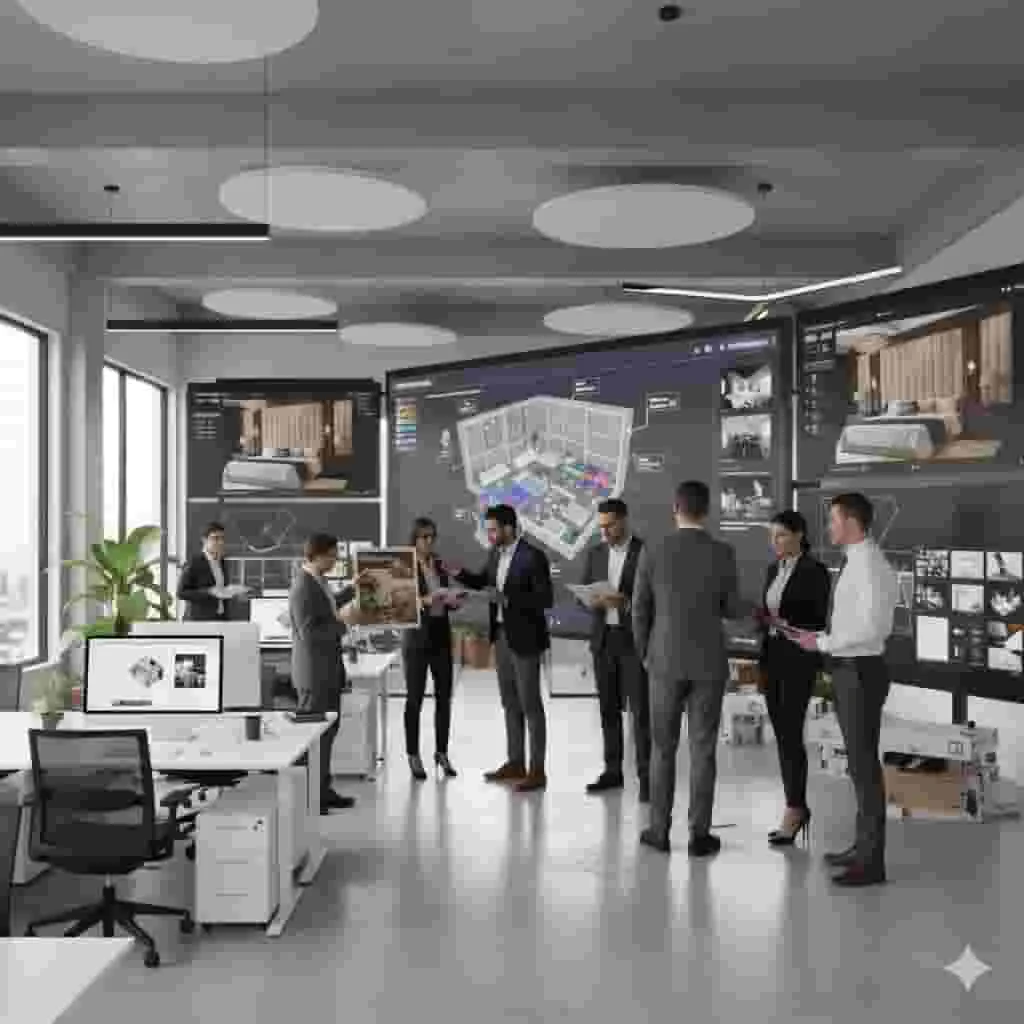
The field of 3D interior rendering continues evolving rapidly with technological advancement. Virtual reality is transforming how clients experience proposed designs, allowing them to “walk through” spaces using VR headsets and experience scale, proportion, and atmosphere in ways that traditional images cannot convey.
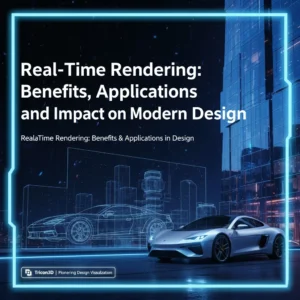
Real-time rendering technology is eliminating traditional wait times, enabling designers to make adjustments during client meetings and see results instantly. This interactivity fundamentally changes the design process, making it more collaborative and responsive.
Artificial intelligence is beginning to assist with certain rendering tasks, from automatically placing furniture according to design principles to suggesting material combinations that work well together. However, human creativity, design expertise, and artistic judgment remain irreplaceable for creating truly exceptional interior visualizations.
Augmented reality applications allow clients to visualize interior designs in their actual physical spaces, using smartphones or tablets to see how furniture, finishes, and layouts will look in real-world contexts before making commitments.
Sustainable design visualization is gaining importance as environmental consciousness influences interior design decisions. Advanced rendering can now illustrate sustainable material choices, demonstrate natural lighting strategies, and showcase biophilic design elements that connect interiors to nature.
Maximizing Value from Your 3D Interior Rendering Investment
To achieve the best results from 3D interior rendering services, provide comprehensive reference materials including floor plans, elevations, design specifications, and inspiration images. The more information you share upfront, the more accurately rendering artists can bring your vision to life.
Be specific about your goals and target audience. Are you creating marketing materials for prospective buyers? Presenting concepts to a client for approval? Coordinating with contractors? Different purposes may require different approaches to camera angles, styling, and level of detail.
Allow adequate time for quality work. While technology continues improving, creating photorealistic 3D interior rendering still requires time for modeling, material refinement, lighting setup, rendering computation, and revisions. Rushing the process typically compromises quality.
Embrace the collaborative nature of the process. Experienced rendering artists often have valuable insights about composition, lighting, and styling that can elevate your designs. Be open to their professional suggestions while maintaining clear communication about your vision.
Conclusion
3D interior rendering has become an indispensable tool for anyone involved in interior design, real estate development, hospitality, or commercial space planning. Whether you’re working with a specialized 3d architectural visualization company for a major project or exploring options among various architectural visualization firms for smaller needs, professional interior rendering consistently proves its value through improved communication, faster approvals, enhanced marketing effectiveness, and superior design outcomes.
As technology advances and client expectations rise, the quality and capabilities of interior rendering will only improve. Those who embrace 3D interior rendering services and partner with skilled visualization professionals position themselves for success in increasingly competitive markets. The ability to show rather than describe, to create emotional connections before construction begins, and to perfect designs digitally before physical implementation—these advantages make 3D interior rendering not merely valuable, but essential for modern interior design and development practice.
Whether you need comprehensive 3d architectural walkthrough services for immersive client experiences, detailed renderings for specific rooms or areas, or ongoing visualization support throughout your design process, investing in professional 3D interior rendering ensures your projects are presented in the most compelling, convincing, and effective way possible. Transform your interior design vision into stunning photorealistic reality, one pixel at a time.